


Ukraine is intensifying its campaign against Russia’s energy infrastructure. While maintaining the pressure on refineries and substations, Ukrainian forces are broadening their target list to include ports, tankers, and power plants.
At the opening of the nuclear power plant, a five-year operational test was completed, as well as a new peat soil production plant.
Although there is still no evidence of the actual presence of nuclear weapons on the territory of Belarus, this issue is regularly raised by official Minsk and the Kremlin.
Belarus is highly dependent on energy imports from Russia, primarily oil and natural gas.
Foreign policy orientations as viewed by the urban population of Belarus. Results of the public opinion monitoring
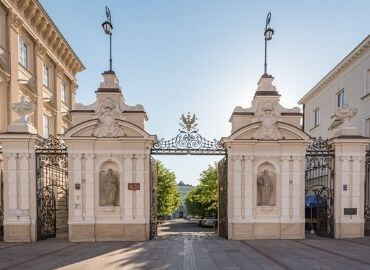
The Belarusian education system has become even more ideologized, militarized, and dependent on Russia. The main trends of the first months of the new academic year in schools and universities of Belarus – in the iSANS report for October.
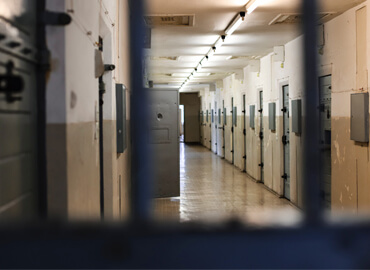
How Belarusian political prisoners went from being “common criminals” and “extremists” to becoming a bargaining chip and a tool for legitimizing Lukashenka in the rhetoric of official Minsk – in an analytical review by iSANS.
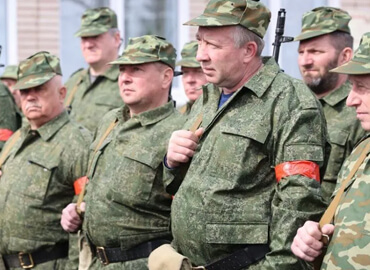
Combat readiness inspection, sending recruits to the troops, and repairs at Machulishchy airfield.
In October, Ukrainian attacks on energy infrastructure did not stop, but their nature changed.
Lukashenka demands peace from Ukraine, Trump is listed as an enemy, state media rejoice at the U.S. refusal to transfer Tomahawks to Kyiv and intimidate with “nuclear escalation.” According to propaganda, Europe is “preparing for war” to hide its own crisis. Read more in the iSANS propaganda review.
At the Energy Expo, the Energy Minister and the Eurasian Commission’s Energy Director showcased impressive propaganda skills. Oil refineries switched to winter diesel, and Gomeltransneft Druzhba completed the reconstruction of two oil storage tanks.
In 2021-2025, a steady trend towards the strengthening of ideological and military-patriotic education gradually developed in the Belarusian education system.
Main narratives of Belarusian and Russian propaganda targeting Belarus in the third quarter of 2025.
iSANS begins to share the results of the sociological unit’s work. In this publication, we talk about how the views of Belarusians on domestic and foreign policy, economy, culture, and their own history have changed according to the results of the iSANS research monitoring.
How the academic year started in Belarus: 15,000 fewer first-graders, schools banned phones but allowed smart watches under pressure from parents. There is more ideology and military lessons, which demonstrates the strong influence of the state on the system. Read more in the iSANS report.